



Our selection process is open. Rolling admissions, year-round.Apply now

We don't just study cities.
We help cool them.

Machine learning and satellite imagery, mapping urban heat islands and turning them into greener, cooler places to live.

Who we are

EcoAção Brasil is an independent organization using technology to solve environmental challenges, transforming the relationship between people and the cities we share.

The values behind the work.

Sustainability

We work to create greener and more ecological cities.

Collaboration

Change happens when we work together.

Transparency

We act with integrity and responsibility.

Education

Knowledge is the basis for real and lasting change.

Innovation

We believe in the power of technology to transform environment and society.

Resilience

We overcome challenges with determination.

The Tocantins Framework

A machine learning assessment of intra-urban thermal anomalies.

Urban Heat Islands make entire cities warmer than surrounding countryside, but the real inequity hides at the block level. Two neighborhoods a few streets apart can feel sharply different because of how much asphalt, tree cover and airflow each one has.

These intra-urban heat islands (IUHI) and cool islands (IUCI) are what the Tocantins Framework is built to detect and measure. Using 40 years of Landsat data and a two-stage machine learning pipeline, it scores every anomaly independently on severity and impact, so interventions go exactly where they are needed.

Intra-urban thermal fieldSimulation
Heat island · 84 / 62
Cool island · 71 / 48
CoolerHotterSeverity / Impact
Illustrates how the framework reads a thermal field: one heat island (IUHI) and one cool island (IUCI), each scored independently on severity and impact.
Two people living just a few blocks apart may experience different microclimates, yet most urban heat island studies report a single average for an entire city.
How detection works
01

Statistical extremes

Flag the 2% of pixels with the highest or lowest deviation from the city mean using a Z-score threshold of ±2.0, capturing only genuine outliers, not normal urban variation.

02

Machine learning

A Random Forest model trained on NDVI, NDBI, surface albedo and emissivity confirms whether each flagged pixel is a genuine thermal anomaly or a statistical artefact.

Only pixels meeting both criteria are classified as true anomalies.

Two independent scores

Severity Score

intensity × extent

Quantifies the anomaly core: the thermal intensity of the hottest or coolest pixels multiplied by the area they cover. High severity means a concentrated, extreme thermal signature.

Impact Score

intensity × area × continuity

Quantifies the Extended Anomaly Zone: the wider thermal footprint including adjacent areas influenced by the anomaly core. High impact means the effect spreads across many city blocks.

15.4%

of the Impact Score's variance was explained by the Severity Score in our analysis of 122 anomalies across Palmas, confirming that the two scores capture genuinely different dimensions of urban thermal stress.

$pip install tocantins-framework
Coming soon

UrbanAI

Predicting the city’s future, so we know exactly where to cool it.

01

Predict

Trained on decades of satellite data, UrbanAI forecasts how a city will grow and warm in the years ahead.

02

Pair

Its forecasts meet the Tocantins Framework’s measured thermal anomalies on one shared map of the city.

03

Prioritize

Every possible intervention is ranked by Cooling Return on Investment, so resources go where they cool the most.

Cooling ROIThe most mitigation per real invested, guided by technology and environmental modeling research.
Get notified at launch

The people behind EcoAção.

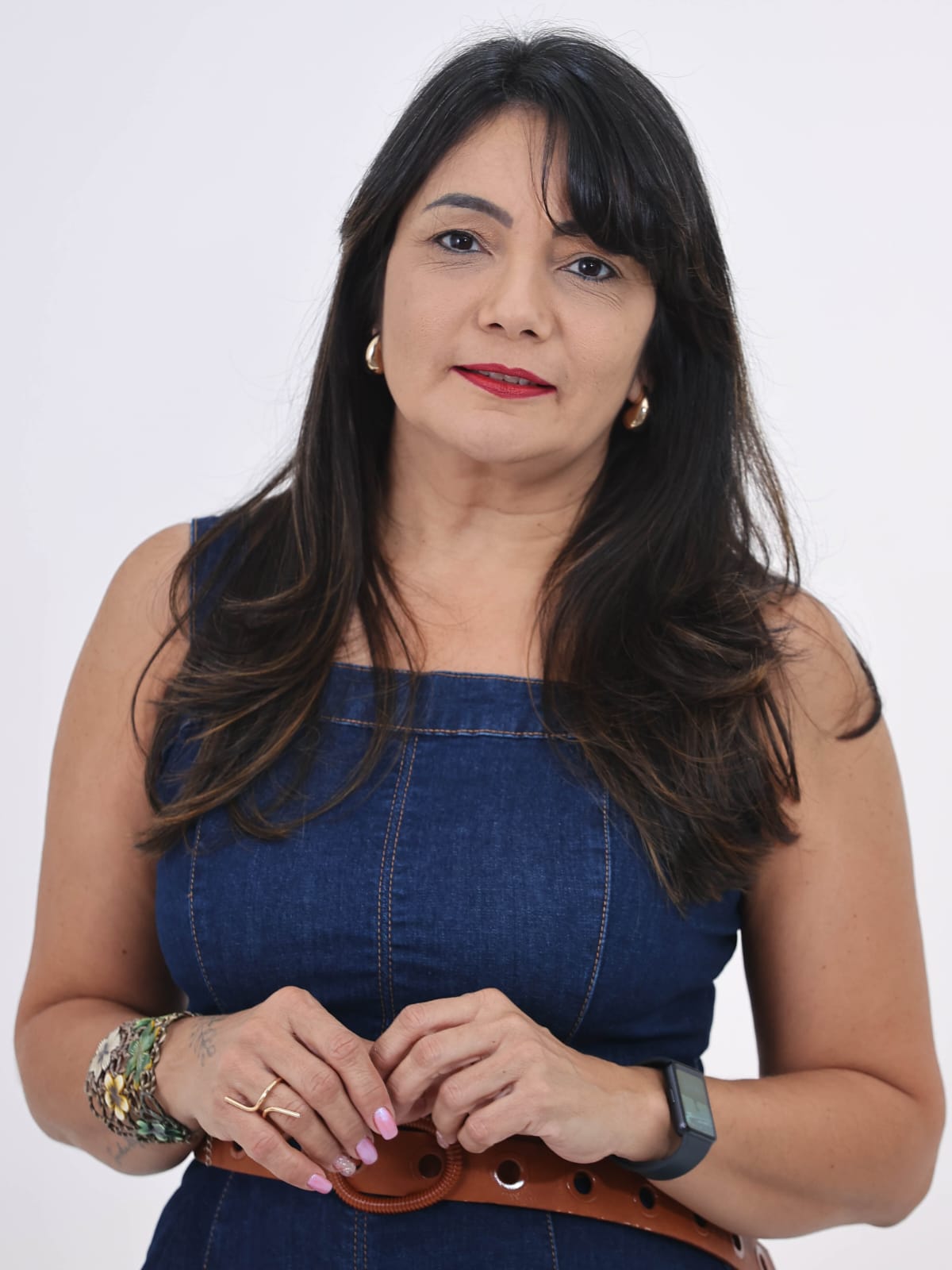
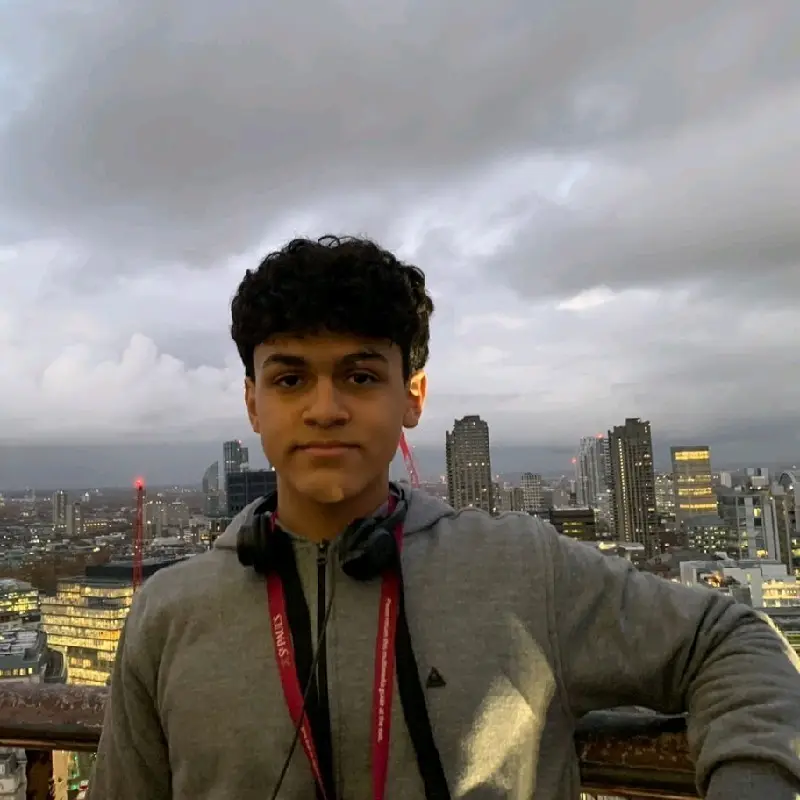
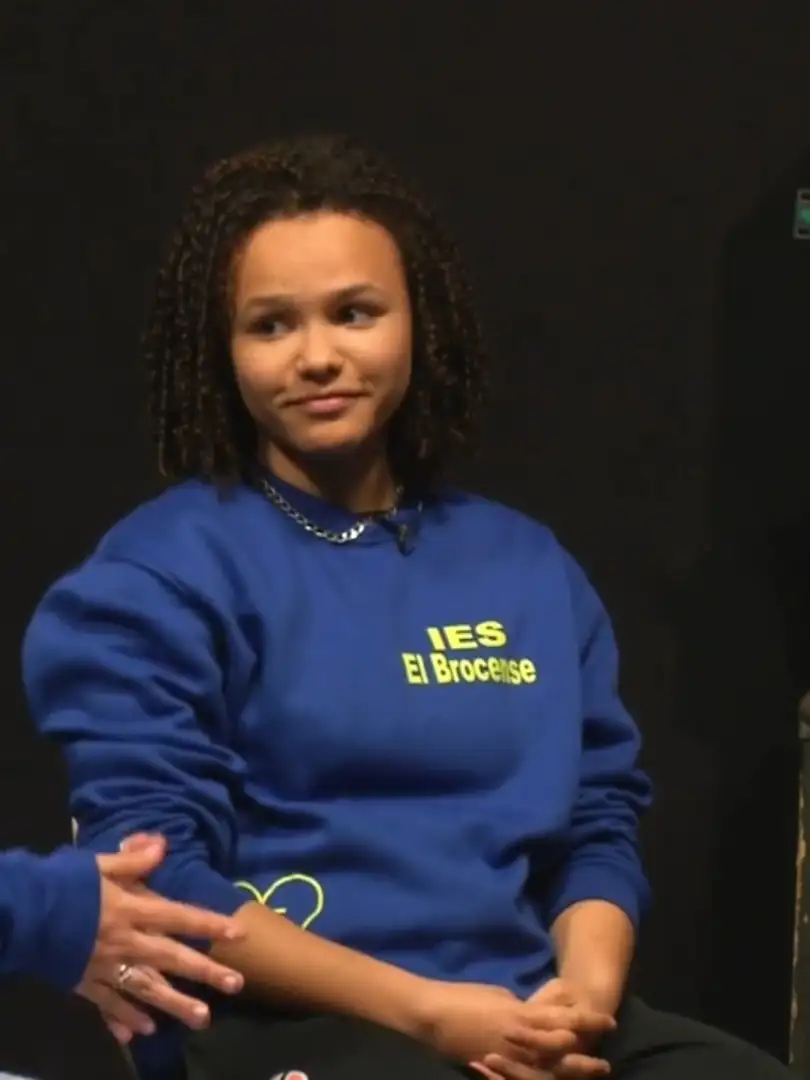
Meet our team of developers and researchers who are working to make EcoAção a reality.

Isaque Carvalho BorgesFounder
Reijane RochaProfessor
Débora Cristine BorgesResearcher
Lucas AvelinoProject Manager and Researcher
Lucca PereiraResearcher
Johari BarrientosResearcher
Melissa SilvaMarketing
João Pedro SantosMarketing & Communications member
Hellem SilvaMarketing & Communications member
Caroline NunesMarketing & Communications member

Honoring our former volunteers.

EcoAção exists because of the people who gave their time, energy and care. We carry their work forward, and we keep their names close.

  • Alexandre Costa dos Santos
  • Anna Vitoria Mauricio
  • Diego Jose Figarella Urbaneja
  • Giovanna Vitória de Godoi Augusto
  • Isabela Nunes Toniolo
  • Luiz Filipe Seabra de Marco
  • Yasmin Bolitto Romano
Open applications

Work on what matters.

Join the volunteers building real climate technology for cities: researchers, developers and communicators. It's remote and flexible, around four hours a week, working on open science with measurable impact alongside people from some of the world's best universities.

Apply through the Portal

Volunteer role · up to 4 hours / week · rolling admissions, year-round.

01

Research

Urban heat islands, satellite data and machine learning analysis

02

Software

Platform engineering, data pipelines and the UrbanAI system

03

Communication

Storytelling, design and community outreach

Our volunteers study at and have received offers from
RiceUniversity of TorontoWashington & LeeStetson University BonnerOberlin CollegeGeorgia TechUSPUFMG

Let’s talk.

Questions, ideas, or want to join? Leave your details and our team will get back to you.