



Explore urban sustainability with us.

Our initiative aims to strategically maximize the mitigation of climate change effects in urban communities using Machine Learning and satellite imagery. To learn more about our research framework, click the button below:

EcAção

Who we are

EcoAção Brasil (formerly Comunidade EcoAção in Brazil) is an independent organization aligned with the 11th Goal of the UN Agenda 2030, promoting the development of sustainable cities and communities. Our mission is to use technology to solve environmental challenges and transform the relationship between humanity and the environment.

Our Objectives

Our objectives as a socio-environmental initiative reinforce our mission to combine technology and innovation in order to not only create a positive impact, but also generate even more change. They are divided into six principles:

Acting locally to generate change

Encouraging sustainable habits, such as the correct separation of waste, the strategic planting of trees in urban heat islands, and the adoption of ecological measures in everyday life.

Innovating to generate change

Applying Machine Learning and satellite imagery through the Tocantins Framework to identify thermal anomalies, developing effective environmental solutions that increase positive impact on society and the ecosystem.

Educating to generate change

Promoting environmental education in partnership with schools, training students and their communities to become active agents of sustainability.

Pressuring and monitoring to generate change

Working with municipal governments to implement data-driven urban planning policies, sustainable initiatives, and targeted interventions in areas most affected by urban heat islands.

Unite to generate change

Engage citizens, NGOs and local entrepreneurs in the environmental cause, promoting events, workshops and awareness campaigns.

Regenerate to generate change

Restore degraded areas through strategic urban reforestation based on thermal anomaly data, water conservation and biodiversity recovery in cities.

Sustentabilidade

Sustainability

We work to create greener and more ecological cities, preserving natural resources for future generations.

Colaboração

Collaboration

Change happens when we work together. We build bridges between individuals, communities and institutions to enhance our impact.

Transparência

Transparency

We act with integrity and responsibility, ensuring that our initiatives are clear and accessible.

Educação

Education

Knowledge is the basis for real and lasting change.

Inovação

Innovation

We believe in the power of technology to positively transform the environment and society.

Resiliência

Resilience

We overcome challenges with determination and adapt our strategies to ensure a sustainable and balanced future.

EcoAção Brasil

The Tocantins Framework

A Machine Learning-Based Assessment of Intra-Urban Thermal Anomalies

At EcoAção Brasil, we combine geospatial analysis, Machine Learning, and satellite imagery to mitigate intra-urban heat islands.

Our study, "The Tocantins Framework," introduces a robust method to identify thermal anomalies and quantify them with two complementary metrics: Severity Score and Impact Score.

Problem

Uneven Heat Exposure Inside the Same City

Urban Heat Islands make cities warmer than nearby rural zones, but the impact is not evenly distributed.

Two neighborhoods just blocks apart can experience very different temperatures due to asphalt density, vegetation, airflow, and built-up surfaces.

This creates unequal thermal risk, while cooler pockets can also emerge as intra-urban cool islands.

Gap

The Research Gap

Most climate analyses still focus on city-level averages.

There has been no standardized method to systematically detect intra-urban heat/cool anomalies, measure their intensity, and identify who is most affected.

Solution

Our Open-Source Solution

The Tocantins Framework was created to fill this gap.

Using 40 years of Landsat data processed in Google Earth Engine, it identifies and quantifies micro-heat and cool islands while correcting for city-to-rural temperature bias.

Methodology: Detection in Two Steps

The detection pipeline combines statistical filtering with contextual modeling.

  • Step 1 — Statistical extremes: we flag the hottest and coldest 2% of urban pixels.
  • Step 2 — ML-based residuals: a Random Forest model predicts expected temperature by land characteristics. Pixels that are both extreme and contextually unexpected are classified as true anomalies.

Quantifying Anomalies

Detection alone is not enough. Each anomaly is quantified using two independent and complementary scores:

Severity Score

Measures the core anomaly itself by combining thermal intensity and area.

Impact Score

Measures the Extended Anomaly Zone by integrating intensity, spatial reach, and continuity across surrounding areas.

Key Findings

The two scores showed weak correlation (15.4% explained variance), confirming they capture different dimensions.

About 37% of anomalies had zero impact score, indicating isolated cores that require different interventions than anomalies with large extended zones.

Practical Applications

Cities can identify where critical hotspots form, which cool zones protect neighborhoods, and where greening actions create the greatest impact.

This supports targeted climate adaptation planning with open and reproducible data.

Partners

  • logo of The Earth Prize

Get to know our team

Meet our team of developers and researchers who are working to make EcoAção a reality.

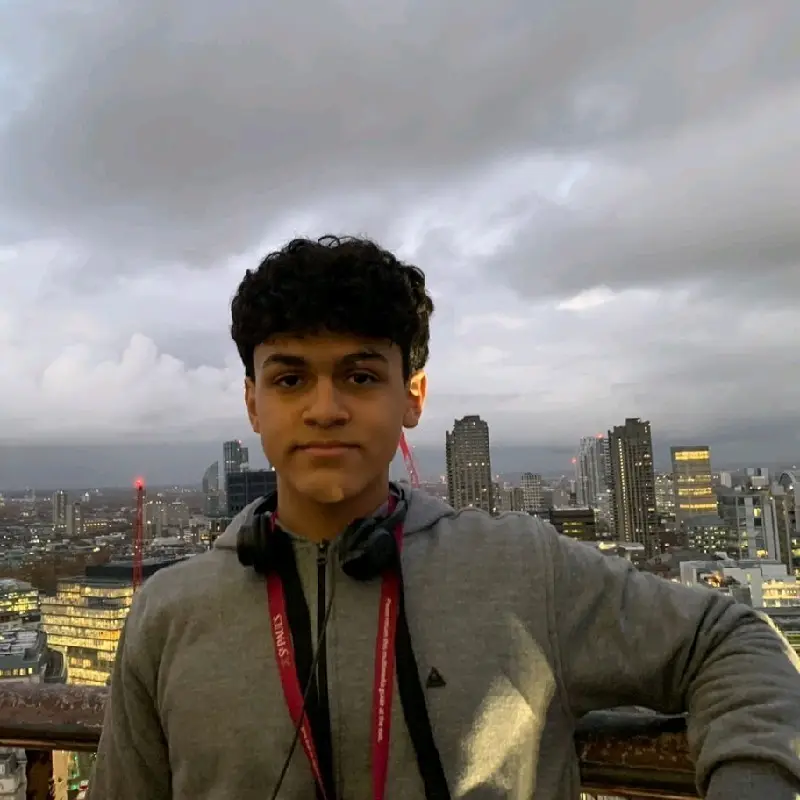
  • Isaque Carvalho
  • Isaque Carvalho
  • Founder
  • Founder, researcher and developer of the project.

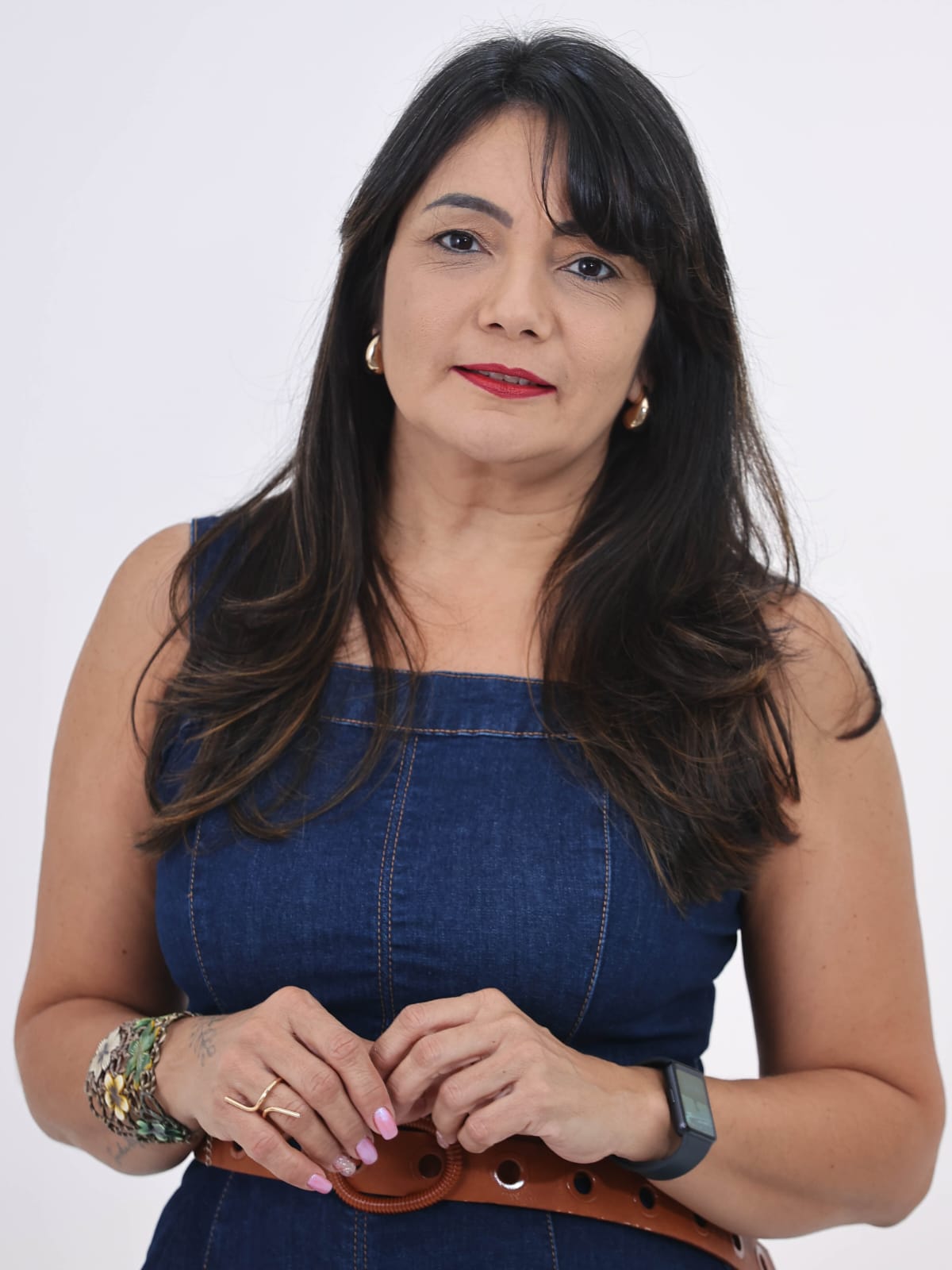
  • Reijane Rocha
  • Reijane Rocha
  • Professor
  • Professor of Basic, Technical and Technological Education - IFTO - Palmas Campus.

  • Débora Cristine Borges
  • Débora Cristine Borges
  • Researcher
  • Researcher focused on AI and full-stack development.

  • Lucas Avelino
  • Lucas Avelino
  • Project Manager and Researcher
  • Machine Learning Engineer and Scientific Reviewer.

  • Diego J. Figarella
  • Diego J. Figarella
  • Researcher
  • Researcher focused on machine learning and computational science.

  • Lucca Pereira
  • Lucca Pereira
  • Researcher
  • Researcher focused on mathematical and scientific models.

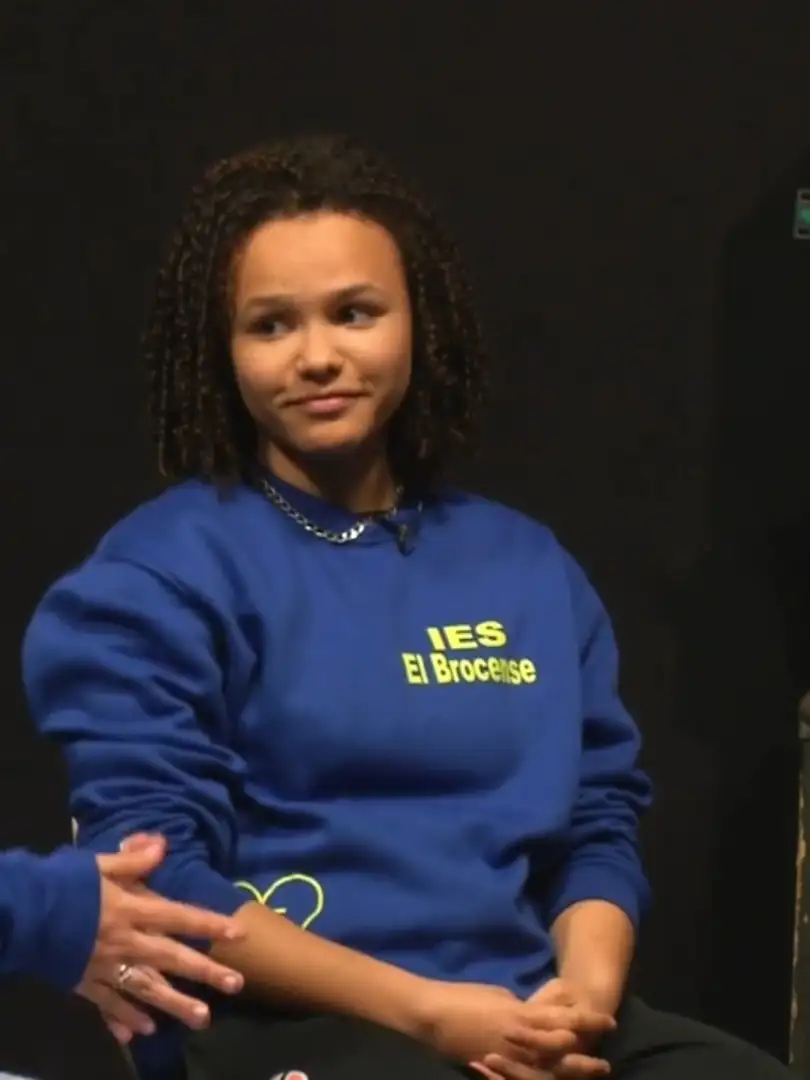
  • Johari Barrientos
  • Johari Barrientos
  • Researcher
  • Researcher focused on public scientific dissemination.

  • Melissa Silva
  • Melissa Silva
  • Marketing
  • In charge of strategic project promotion, creating content to increase the project's reach on social media.